The STX Resilience Campus provides a full spectrum of dignified, trauma-informed,
hurricane-resistant housing options for veterans, their families, and residents in crisis.
Stable housing is the foundation for recovery, employment, community reintegration, and long-term resilience.
Last updated: 2026-01-24
Housing Snapshot
Total housing units240-320 total units
Veteran housing units60-80 units
Family stabilization units20-30 units
Villas & retreat units140-180 villas, 20-30 retreat units
Staff housing district25+ units for essential personnel
Resilience features
Category-5 construction, microgrid power, water autonomy, reclaimed-water hookups from the Waste Management & Treatment system,
trauma-informed layouts, and ADA-conscious design
Landscaping loops, hose bibs, and utility sinks in the villa and staff districts use reclaimed water first, protecting potable reserves for residents and CRC shelter operations.
Veteran Housing Units (60-80 Units)
Veteran housing units provide immediate shelter, structure, and stabilization for veterans exiting homelessness,
unsafe situations, or unstable environments. Rooms are designed around emotional safety, predictability,
and routine—supporting veterans as they reconnect to services, benefits, and community.
Family Stabilization Units (20-30 Units)
When housing is lost or crisis strikes, families should not be torn apart. Family stabilization units
are designed to keep families intact—allowing spouses, children, and caregivers to stay together while
they rebuild. These units are located close to childcare, education supports, and behavioral-health services.
Staff & Essential Personnel Housing
A resilient campus requires people who can stay on-site when the island is under stress.
Staff housing supports core team members, medical and mental-health professionals, and key operational
personnel who must remain close to Village 5, the CRC, and the Emergency Logistics Zone (ELZ) during
activations and recovery periods.
Resort-Style Premium Villas & Retreat Zone
The premium villas are designed as resort-style, dual-master units that give veterans and their families
a rare experience: feeling like honored guests at an all-inclusive retreat rather than anonymous patients.
When a veteran family steps into the villa district, the goal is simple—peace, dignity, and the sense that
someone built something beautiful specifically for them.
These villas also form a major economic engine for the campus. When not reserved for veterans, Gold Star families,
or program participants, they can be offered as short-term stays through direct booking and established platforms
(e.g., vacation rental channels) and as dedicated lodging for:
Visiting investors, vendors, and philanthropic partners.
Government representatives and emergency-management teams on assignment.
Visiting doctors, VA professionals, and clinical partners.
Corporate and nonprofit retreats aligned with the mission.
This dual-use model—veterans first, revenue second—allows the villa district to potentially cover a significant
portion of the campus’s recurring operating costs while always maintaining veteran access as the top priority.
To maximize both veteran wellness and rental appeal, the villa district may include a phased, resort-style
wellness zone built around accessibility and joy:
Lazy river therapy loop (optional):
A slow, ADA-conscious waterway that supports low-impact hydrotherapy, heat relief, and quiet decompression
for veterans and families. Gentle currents, shaded segments, and stepped or ramp access make it usable
by those living with mobility challenges.
Swim-up service counter & grill (optional):
A shaded pool-level service area where veterans and guests can enjoy short-order meals and refreshments
without leaving the water—paired with dry-side water-level tables so wheelchair users and those who prefer
to stay out of the pool can have the exact same experience.
Enhanced clubhouse & social space (optional):
A veranda-style clubhouse with lounge seating, games, and flexible space for group gatherings,
small events, and evening programs that serve both veterans and retreat guests.
These amenities are intentionally phaseable and funding-dependent. They can be added as investor support,
grants, and veteran advisory feedback make them appropriate—ensuring each upgrade remains mission-aligned
while also strengthening the campus’s ability to attract high-value rentals and recurring partners.
Hurricane-Resistant Construction
All housing types—veteran units, family units, staff housing, and villas—exceed
Category-5 resilience standards, with reinforced walls, impact-rated glazing, structural anchoring, and
microgrid-connected backup power. Units are sited to reduce wind exposure, protect against debris, and
maintain access routes for emergency vehicles and mobility devices.
Designed for Dignity & Belonging
Housing clusters are arranged around shared courtyards, shaded paths, and greenspace that promote
community, safety, and emotional well-being. Outdoor kitchens, BBQ areas, and small gathering spaces
encourage connection without forcing interaction—giving veterans options to join in or step back
as needed. Lighting, sightlines, and circulation paths are designed to reduce anxiety and support
trauma-informed movement through the campus day and night.
Services Wrapped Around Housing
Case management, counseling, and VA benefits navigation located steps away inside Village 5.
Daily meals, laundry, and transportation support reduce friction during recovery and reintegration.
Family units connect directly to childcare, education, and behavioral-health resources on campus.
Emergency Activation
During hurricanes, prolonged outages, or large-scale emergencies, housing districts:
Receive priority microgrid power and potable water routing.
Serve as overflow shelter for CRC residents if community needs surge.
Maintain communication through The Vault, distributed radios, and mesh networking.
Provide staging space for embedded relief teams working alongside veteran residents.
How This Component Delivers on the Five Pillars
Five core pillars are shown first; supporting highlights are labeled.
Humanitarian Impact
240-320 total units, including 60-80 veteran units, 20-30 family units, 140-180 villas, 20-30 retreat units, keep veterans safe, families intact, and recovery on-island.
Resort-style villas give veterans and families access to a dignified, all-inclusive retreat experience that is rarely available to those living on fixed incomes.
Local Workforce Development
Housing stability enables veterans to participate in campus training, agriculture, renewable energy, hospitality, and logistics jobs.
The villa and retreat operations become a training ground for hospitality careers, giving local residents and veterans new pathways into stable work.
Scalable & Replicable Model
Modular housing templates, circulation patterns, and trauma-informed finishes can be exported to future campuses and partner sites.
The resort-villas-as-sustainability model can be replicated in other regions to fund veteran housing and resilience infrastructure.
Integrated Economic Self-Sufficiency
Premium villas and short-term rentals generate a major recurring revenue stream that helps underwrite core veteran housing and services.
Efficient, resilient construction lowers lifetime maintenance and disaster-recovery expenses, stretching every donated and invested dollar.
Operational Resilience
Category-5 construction, microgrid priority, and water autonomy keep residents sheltered and online when the island grid fails.
Housing districts double as logistics nodes, supporting CRC and ELZ operations while providing safe staging for relief teams and visiting partners.
Supporting System
Family Support Services
Wraparound case management links housing residents with behavioral health, workforce, and benefits teams located steps away.
Coordination with Village 5 kitchens, child services, and the CRC ensures families remain intact during both blue-sky and surge operations.
Housing & Villa Concepts
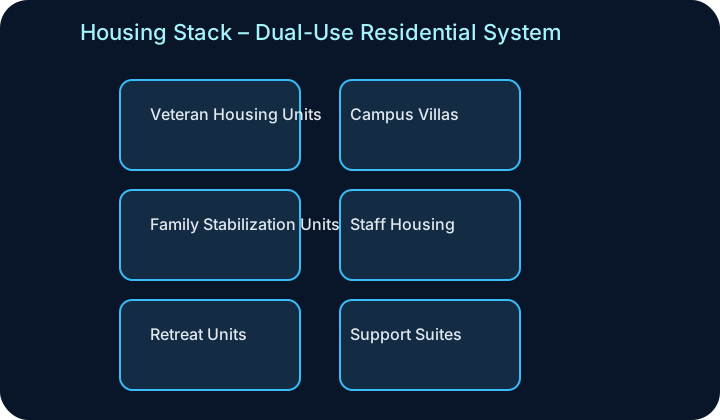
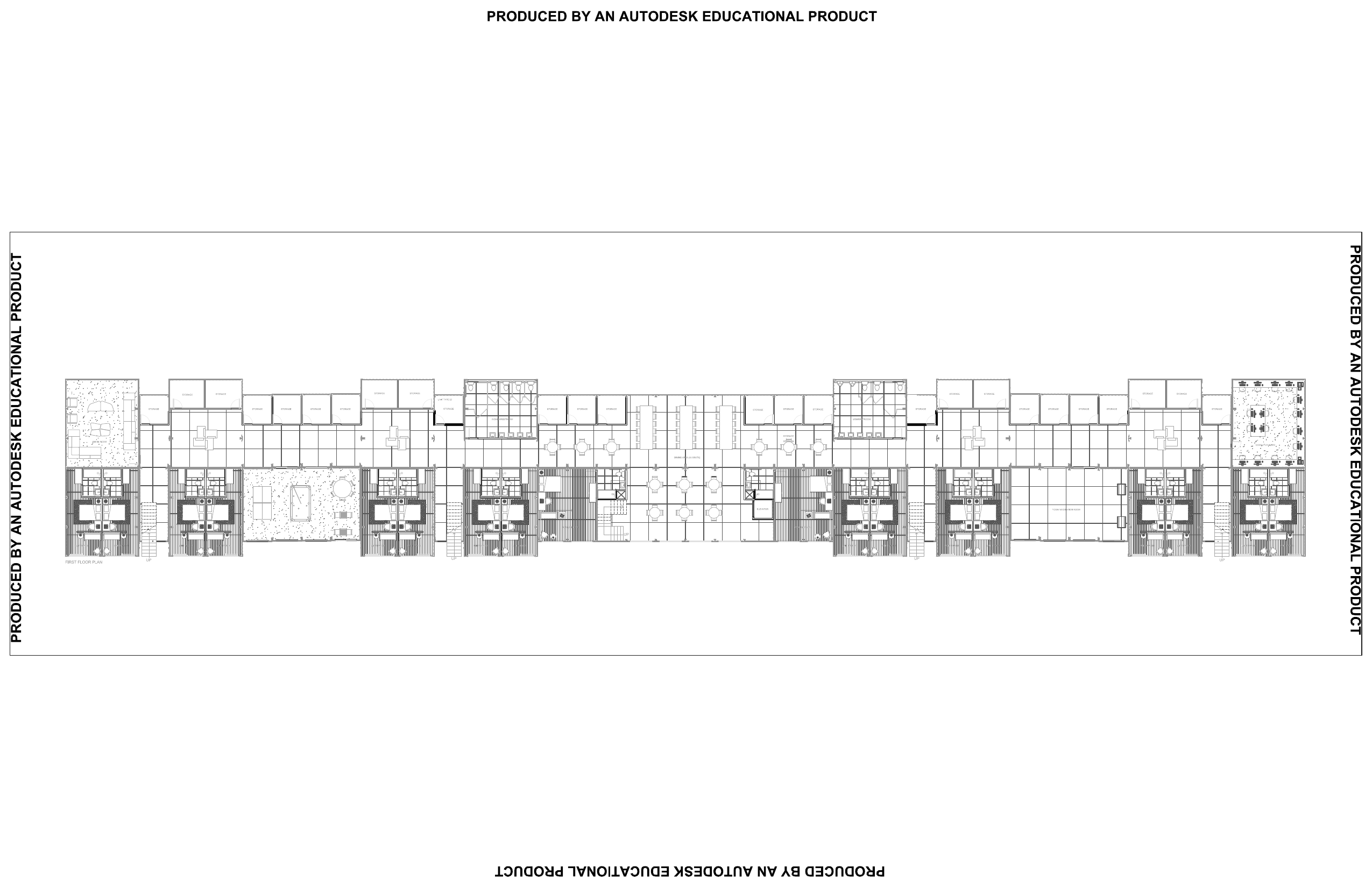
Veteran housing, family stabilization units, retreat suites, campus villas, staff housing, and support suites across the campus.Village 5 ground floor with dining, services, and transitional rooms for veterans in crisis.Concept rendering highlighting resort-style villas and family-centered outdoor spaces.
Search the site
Connect with STX Vets Project
Message our team
Whether you represent investors, federal partners, local government, or you are an individual supporter, we would love to hear from you. Choose the option that fits best and send us a note.